
THE QUEEN'S WALK
WALK LONDON's Queen's Walk takes you over Westminster Bridge, along the southbank of the River Thames on a pedestrian walkway past the London-Eye ferris wheele and Souhbank Arts Centre towards Tate Modern and Shakespeare's Globe, then over the river Thames on the Millennium footbridge to St Paul's Cathedral.
On our free self-guided sightseeing tour you will walk pass some of London's most popular tourist and visitor attractions, all of which can be visited throughout the year. Starting at Westminster underground station the tour passes many iconic viewing points of London.
For your comfort WALKLONDON's self-guided walking route passes many cafes, refreshments, facilities and places to rest.

START:  Westminster: Circle or District Line
FINISH: St Paul's: Central Line

Leisure walker: 2 hours
Power walker: 45 minutes
Westminster Bridge to
London Eye
 Westminster Bridge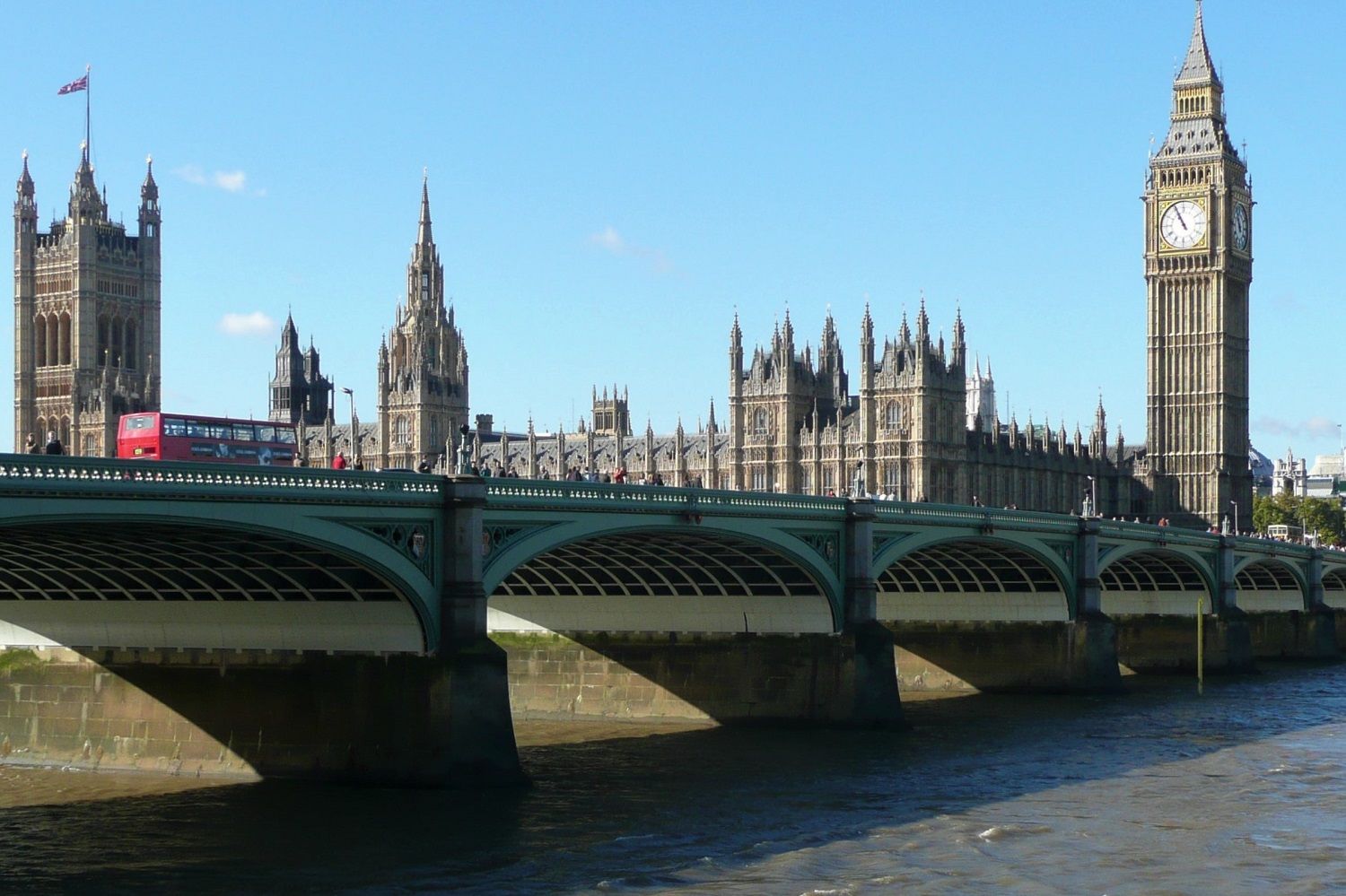
 County Hall, London Aquarium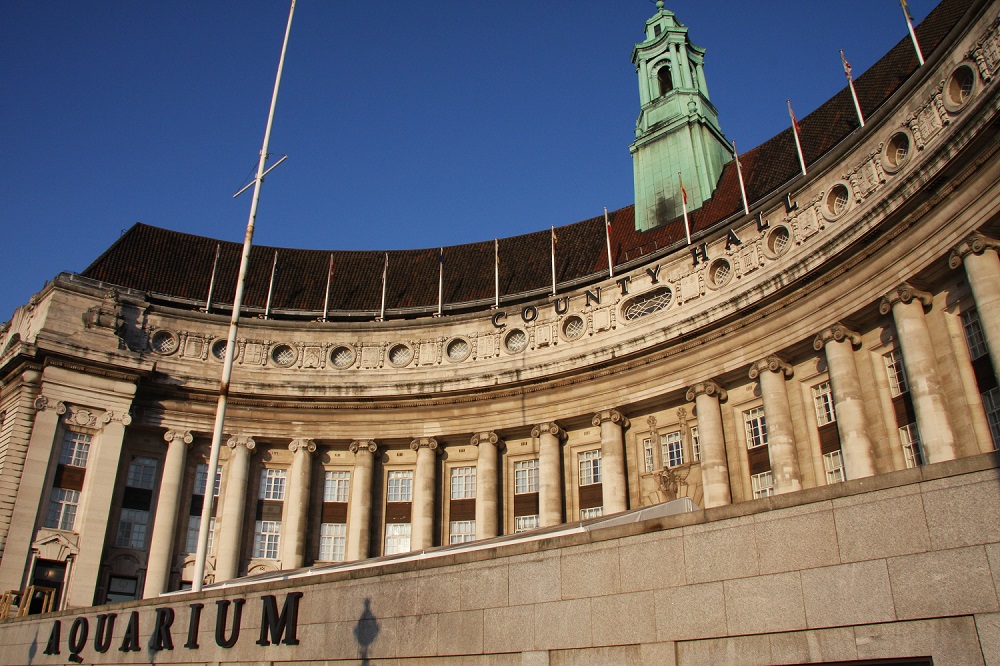
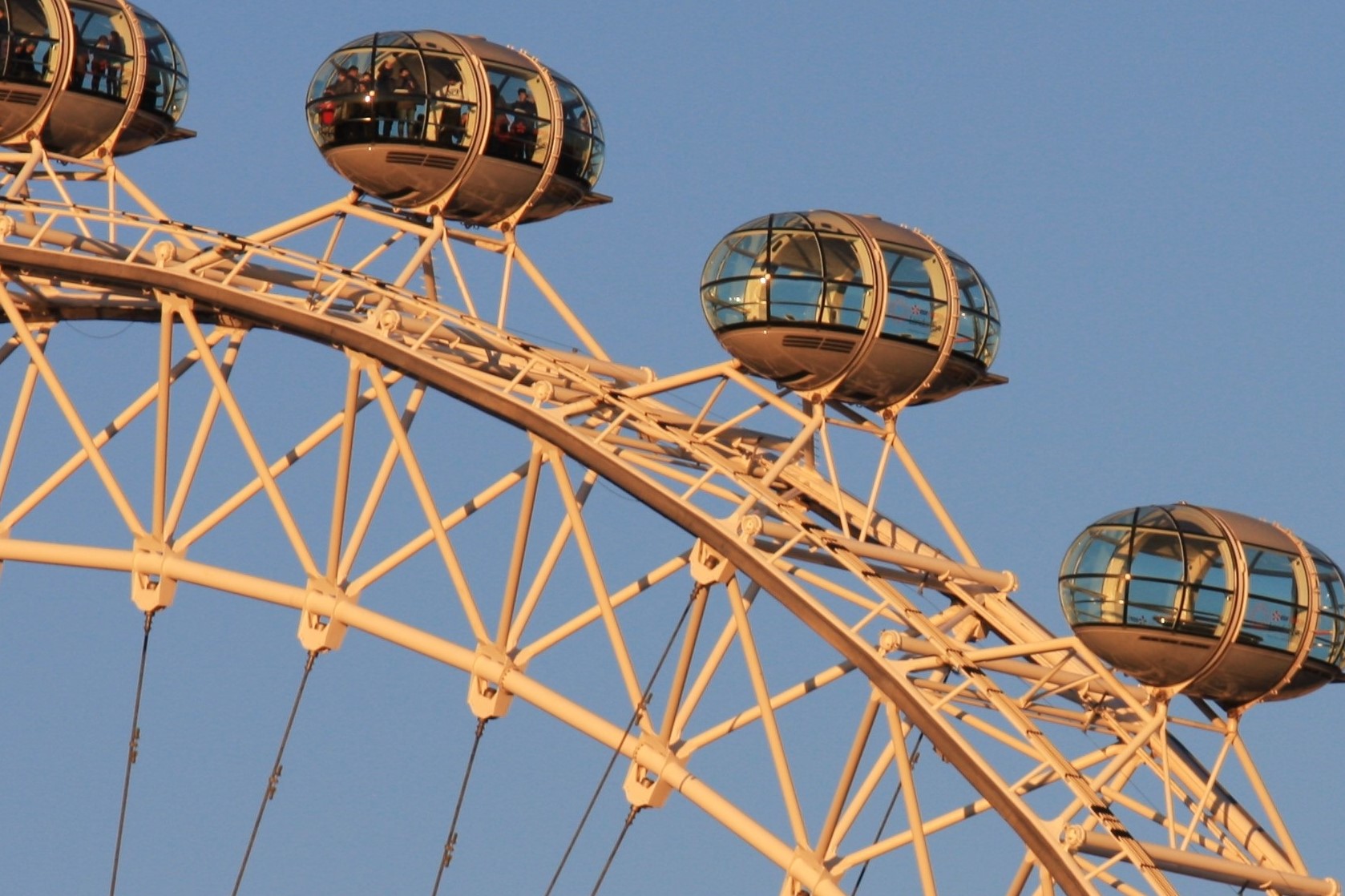
 London Eye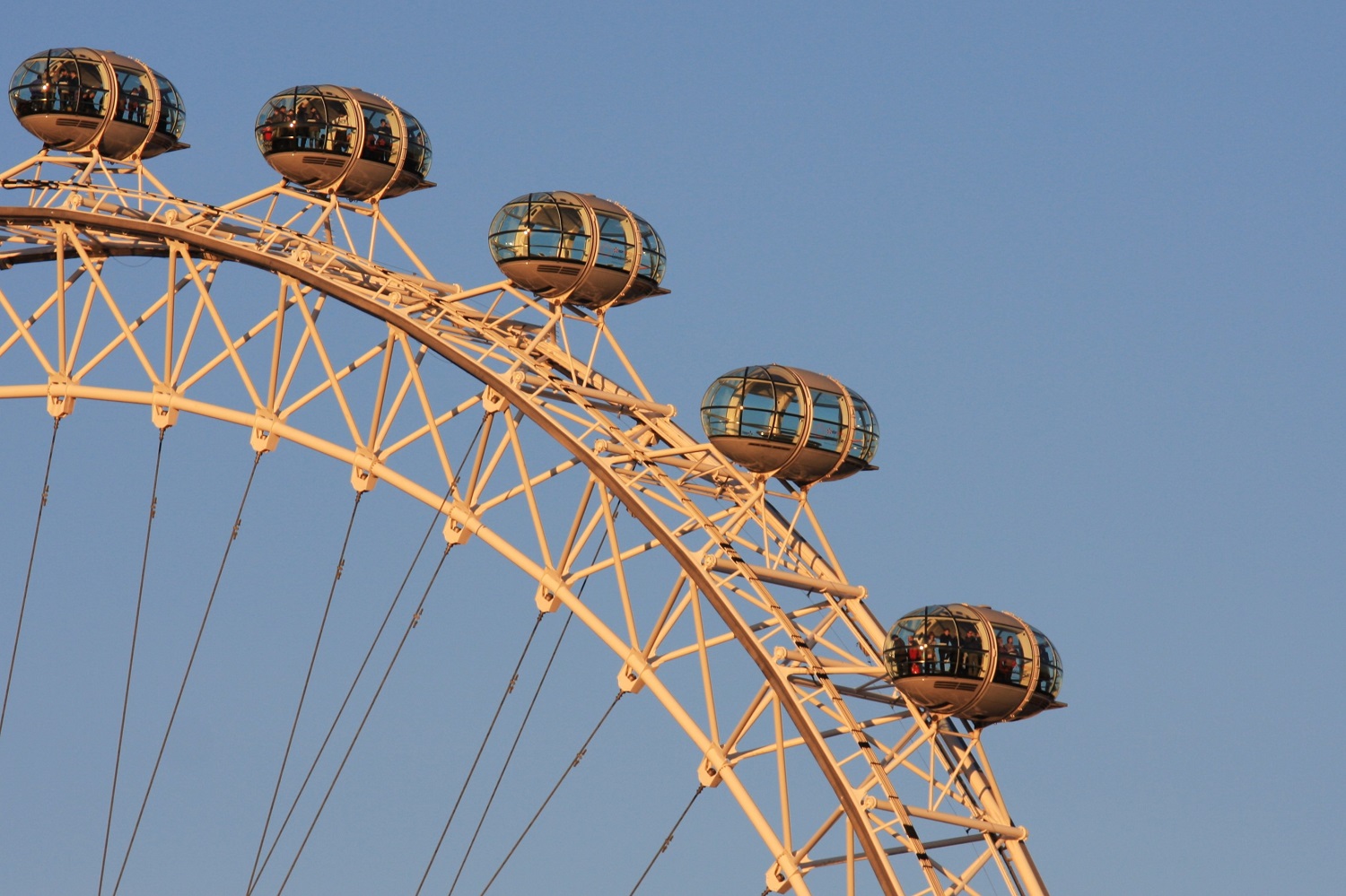
Golden Jubilee Footbridges to
The Royal National Theatre
 Golden Jubilee Footbridges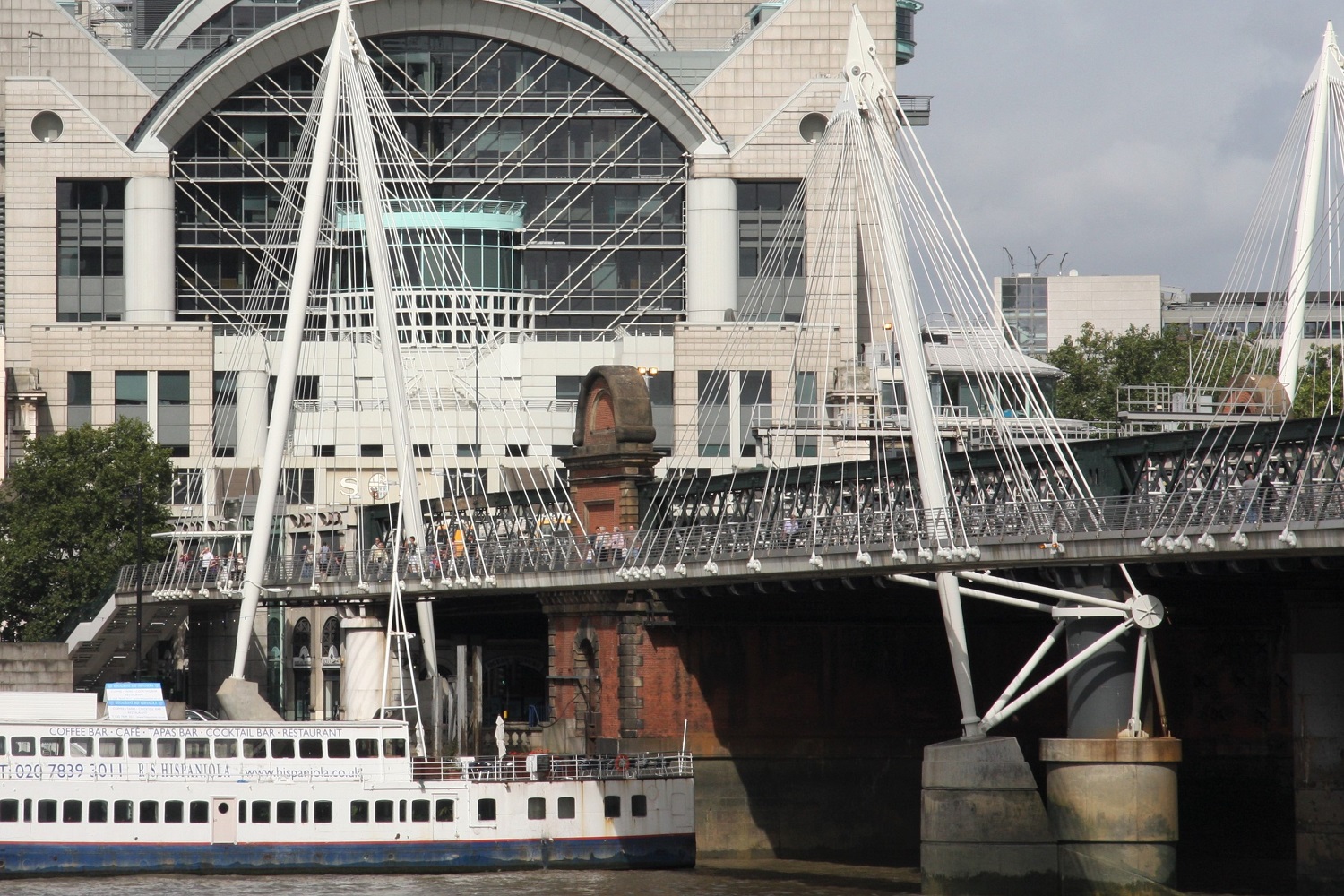
 Southbank Centre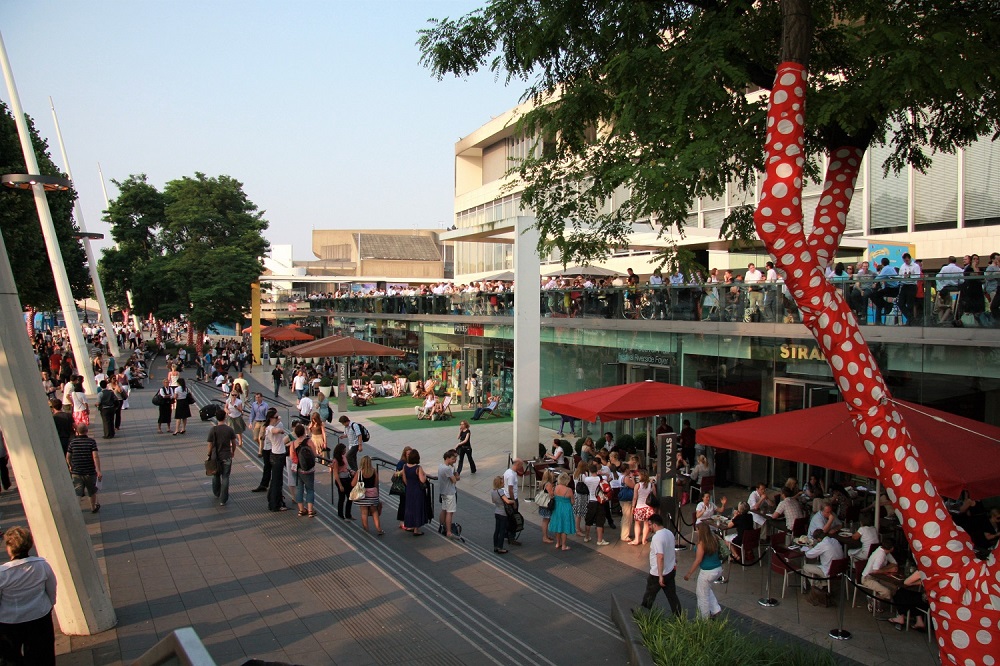
 Royal National Theatre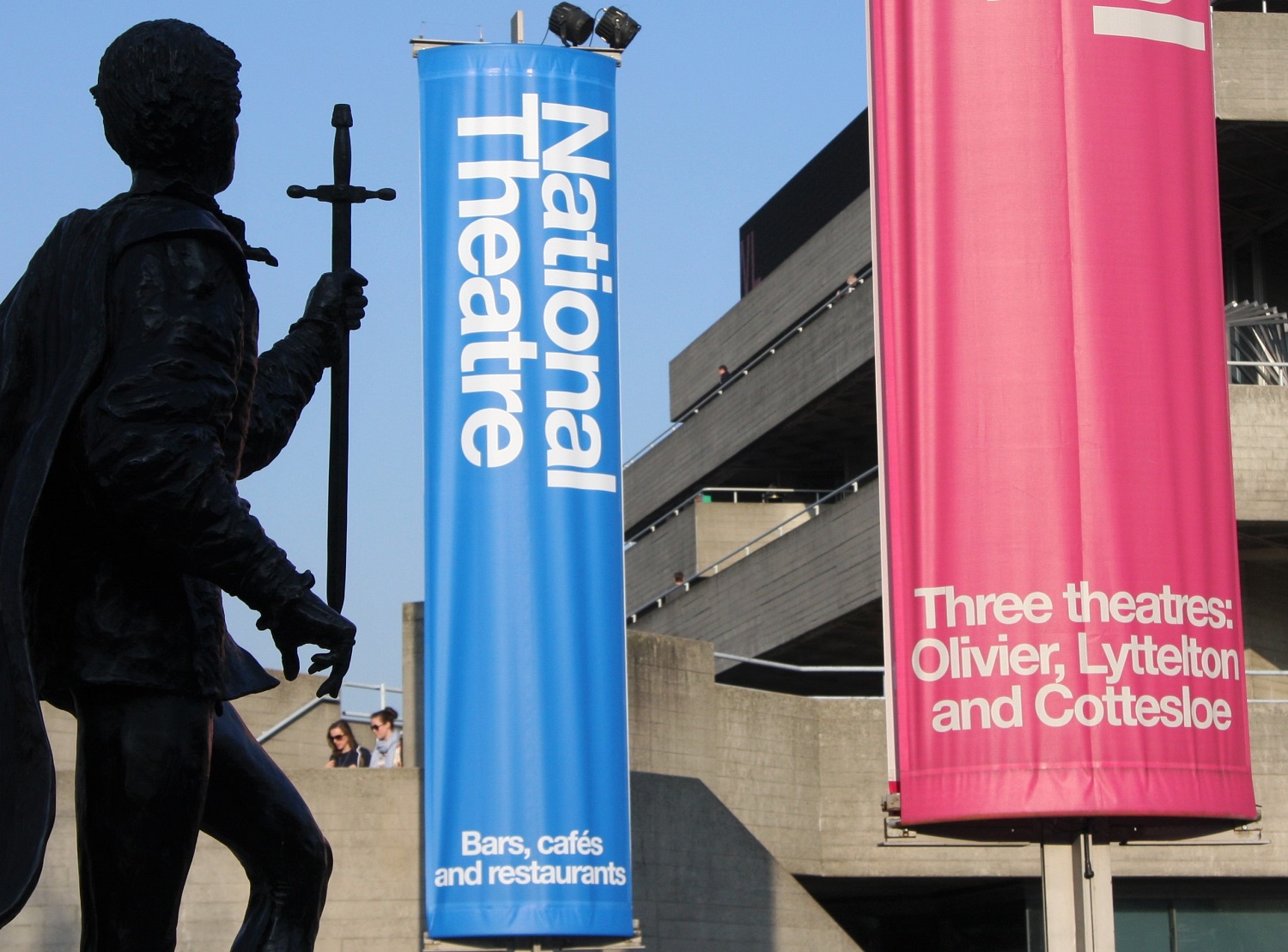
OXO Tower to
Shakespeare's Globe
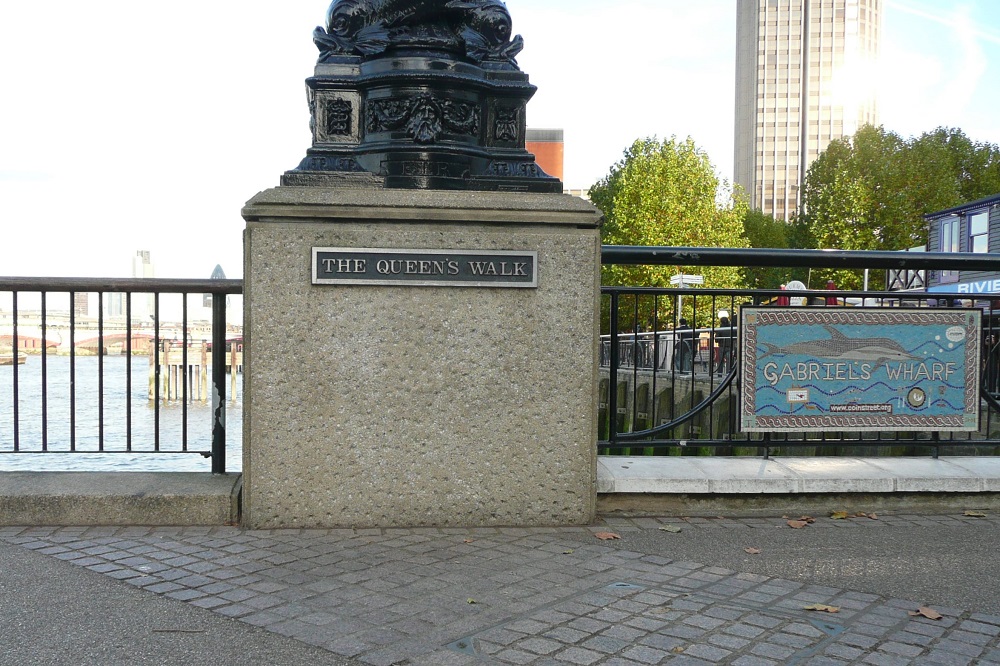
 OXO Tower, Gabriels Wharf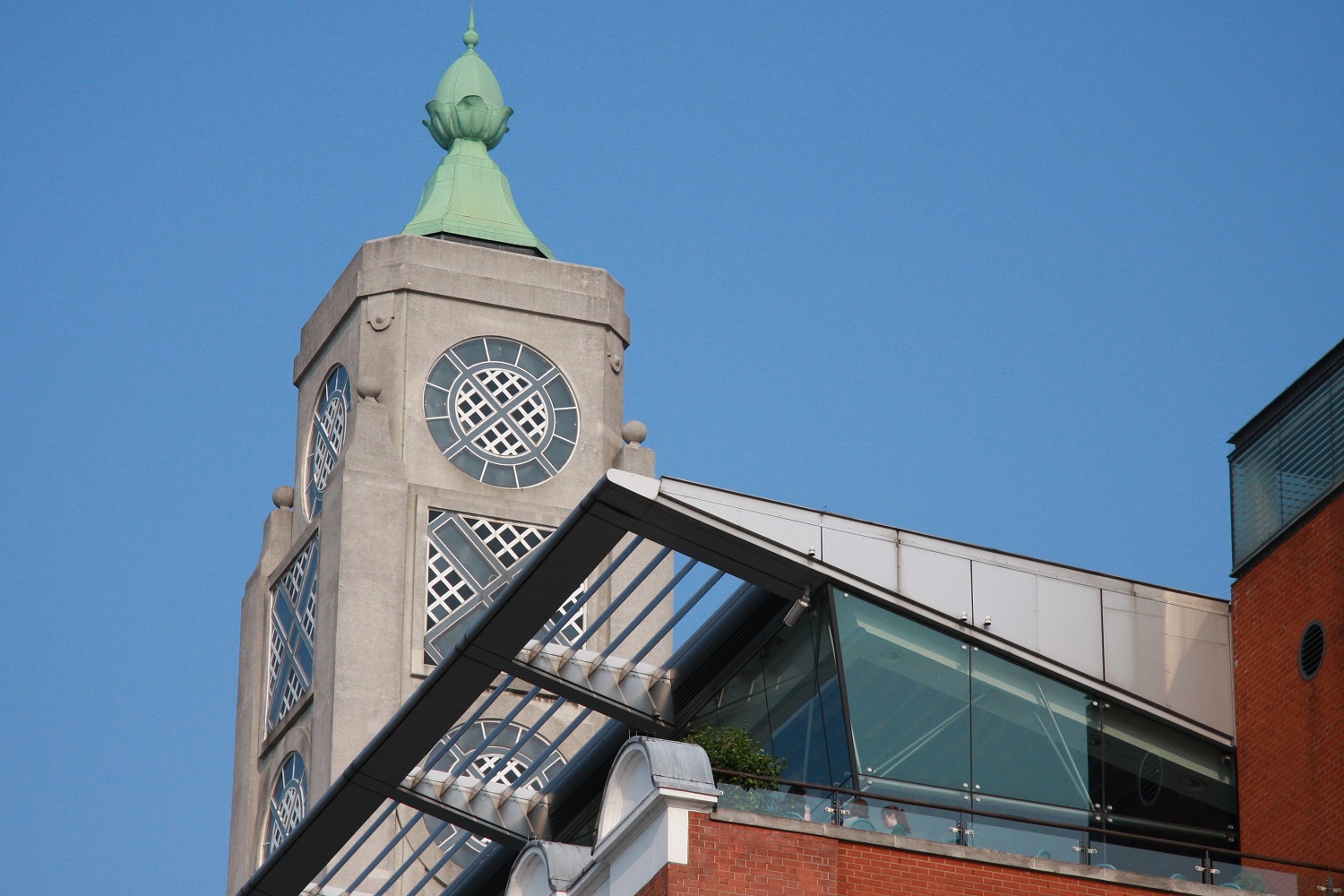
 Tate Modern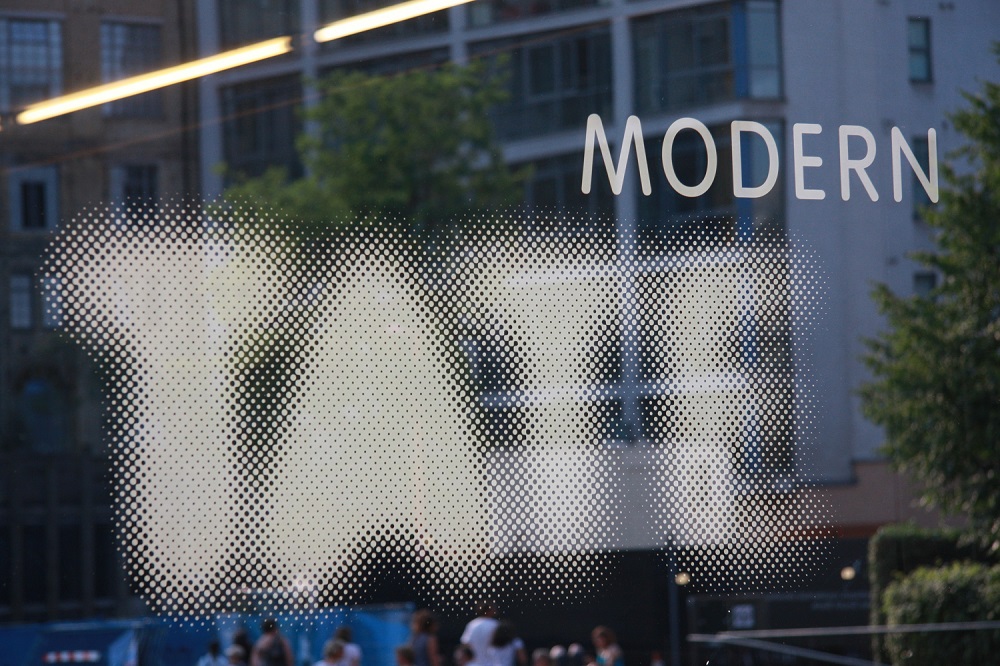
 Shakespeare's Globe Theatre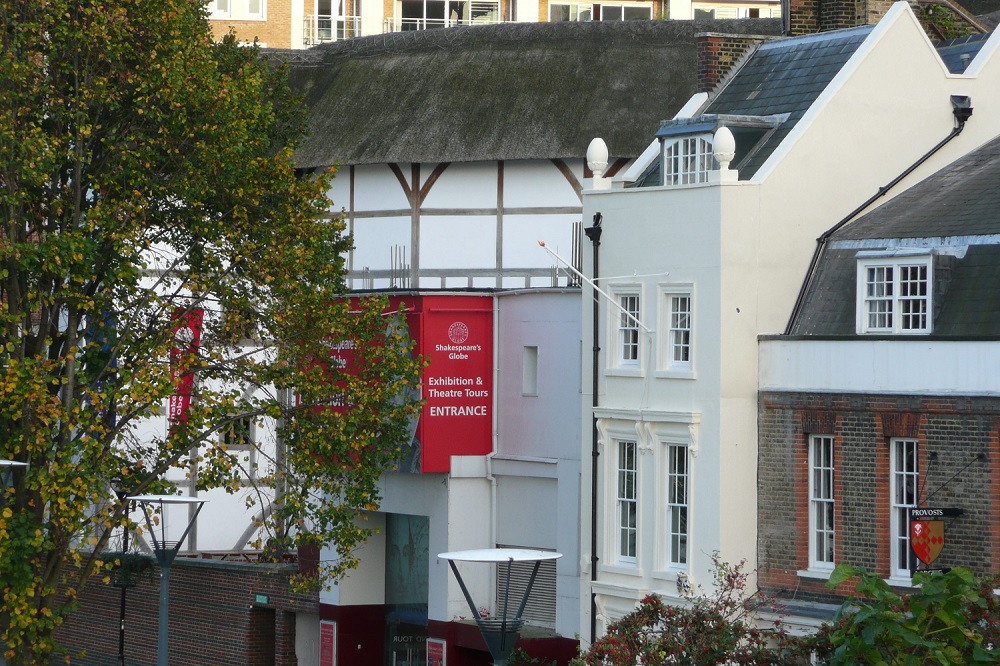
London Millennium Footbridge to
St Paul's Cathedral
 London Millennium Footbridge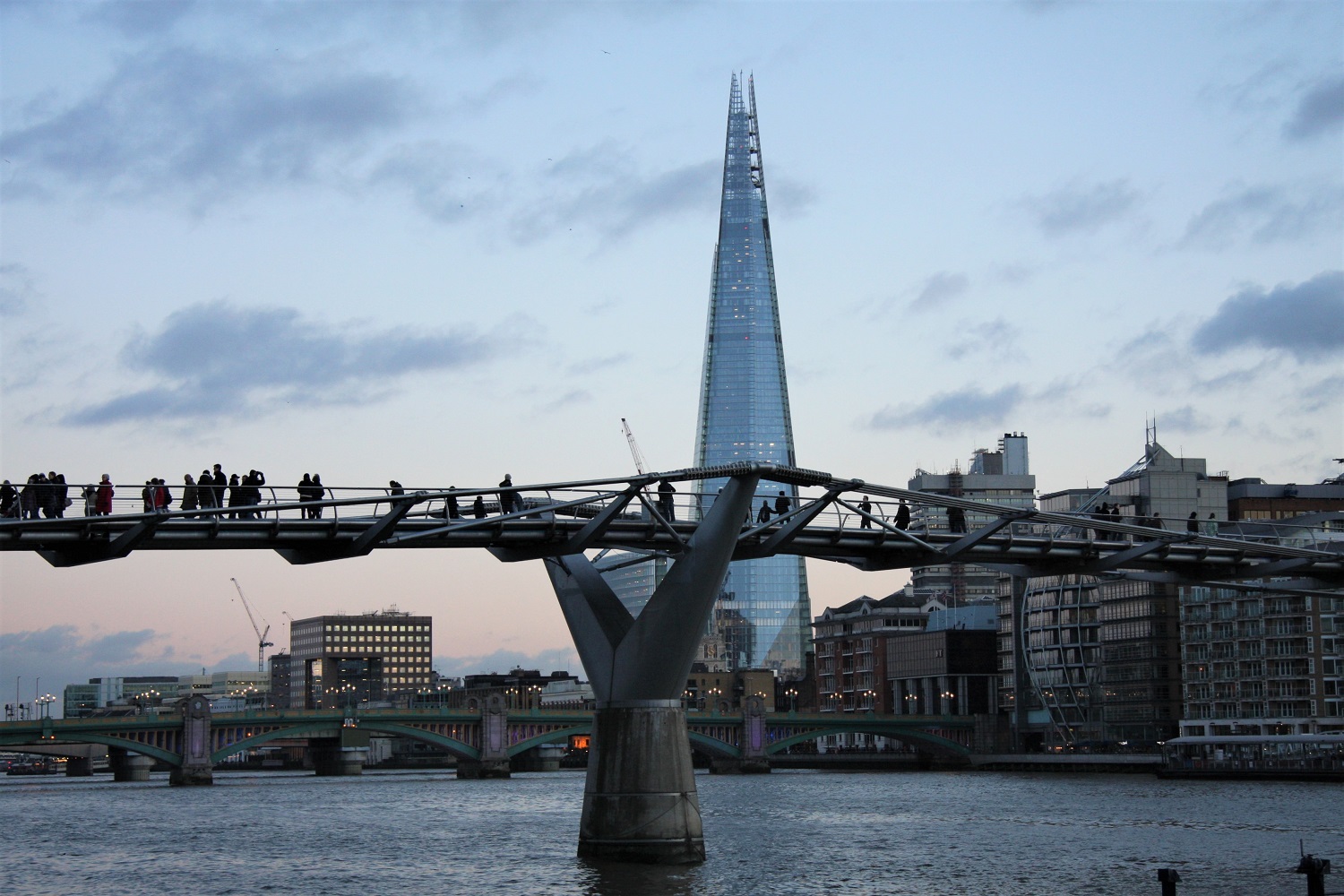
 St Paul's Cathedral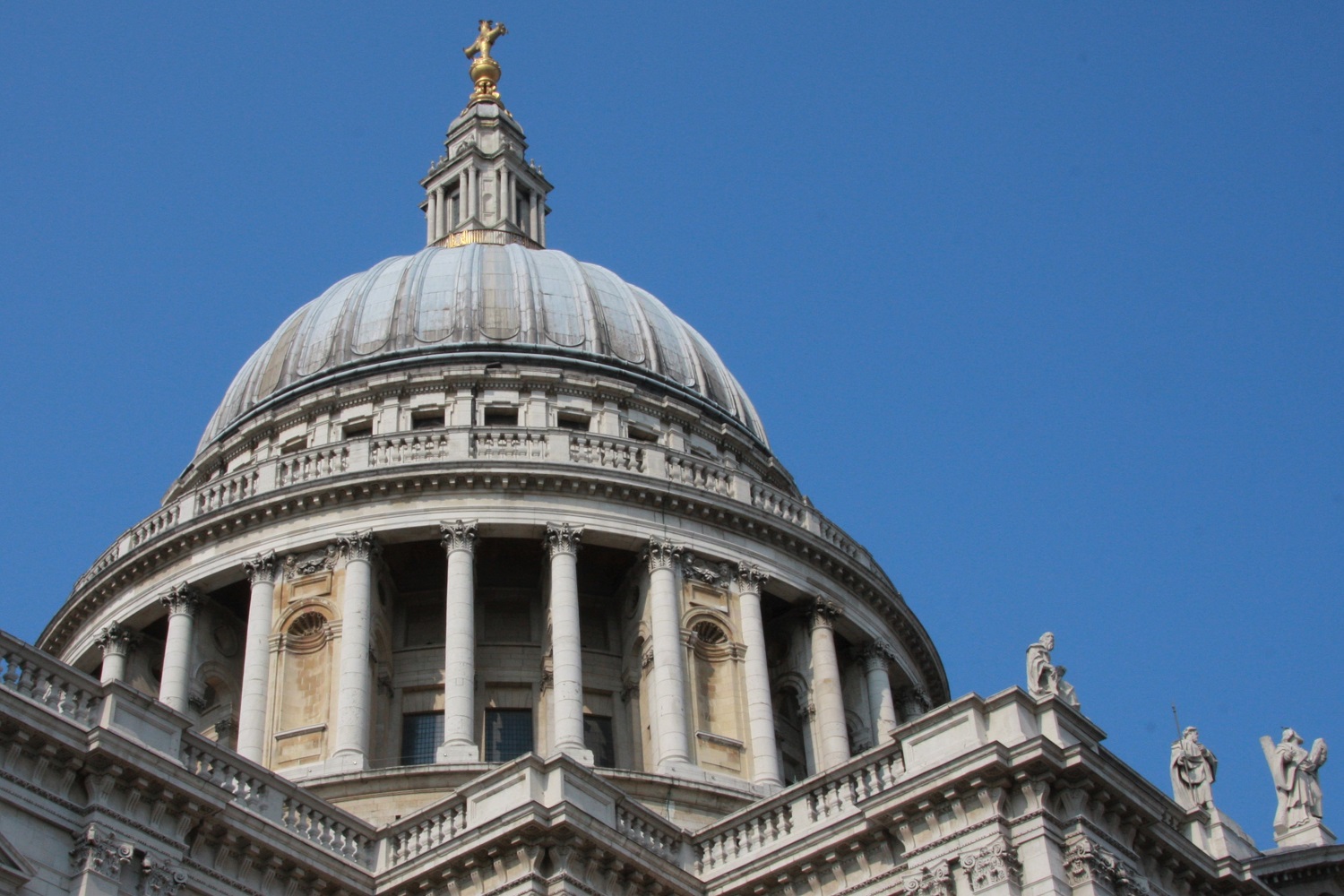
 The Queen's Walk continues on our
 The Queen's Walk, London
Interactive
G
o
o
g
l
e
Map
Street Directions
START Westminster: Circle or District Line.Come out of the station at EXIT 4. You will be opposite the Palace of Westminster looking at the largest four-faced clock tower in the world. Big Ben, is not the Clock Tower, but is the largest bell inside the tower that strikes the hour.
Westminster Bridge to
The Southbank Arts Centre
Turn left out of the station onto BRIDGE STREET SW1 and walk up to VICTORIA EMBANKMENT SW1. Cross straight over
the Embankment road and walk across the left hand side of Westminster Bridge to the South Bank Lion.
Walk down the steps from Westminster Bridge to join The Queen's Walk (Thames Path, Southbank).
Walk straight ahead past the Old County Hall (London SeaLife Aquarium and Shrek's Adventure) to the London Eye Ferris Wheel.
Continue along The Queen's Walk embankment footpath, past the Jubilee Park and Garden under to the Golden Jubilee footbridges (foot bridges are both sides of the Hungerford railway bridge) to the Royal Festival Hall.
Carry straight on to the Southbank Arts Centre which houses The Royal Festival, Queen Elizabeth Halls, Purcell Rooms and many restaurants.
Walk down the steps from Westminster Bridge to join The Queen's Walk (Thames Path, Southbank).
Walk straight ahead past the Old County Hall (London SeaLife Aquarium and Shrek's Adventure) to the London Eye Ferris Wheel.
Continue along The Queen's Walk embankment footpath, past the Jubilee Park and Garden under to the Golden Jubilee footbridges (foot bridges are both sides of the Hungerford railway bridge) to the Royal Festival Hall.
Carry straight on to the Southbank Arts Centre which houses The Royal Festival, Queen Elizabeth Halls, Purcell Rooms and many restaurants.
The Southbank Arts Centre to
St Paul's Cathedral
Walk under Waterloo Bridge past the Southbank Centre Book Market and the Laurence Olivier Statue to the Royal National Theatre.
Keeping on The Queen's Walk footpath pass the business offices and television studios to an Observation Point. Gabriel’s Wharf, restauants and eclectic shops, will be on your right. Continue on to OXO Tower Whaft, more restaraunts and modern shops to Blackfriars Bridge.
Passing the Coat and Badge pub, walk under Blackfriars road and railway bridges to Tate Modern gallary and garden. Continue past the Millennium Footbridge (does not wobble now) to view Shakespeare’s Globe.
Re-trace your steps back to the millennium foot bridge, across to St Paul’s Cathedral and the finish point of our walk. The offical Queen's Walk continues to Tower Bridge on the southbank, this is covered on our Pool Of London Walk FINISH: St Paul's: Central Line.
Keeping on The Queen's Walk footpath pass the business offices and television studios to an Observation Point. Gabriel’s Wharf, restauants and eclectic shops, will be on your right. Continue on to OXO Tower Whaft, more restaraunts and modern shops to Blackfriars Bridge.
Passing the Coat and Badge pub, walk under Blackfriars road and railway bridges to Tate Modern gallary and garden. Continue past the Millennium Footbridge (does not wobble now) to view Shakespeare’s Globe.
Re-trace your steps back to the millennium foot bridge, across to St Paul’s Cathedral and the finish point of our walk. The offical Queen's Walk continues to Tower Bridge on the southbank, this is covered on our Pool Of London Walk FINISH:
St Paul's: Central Line.