
Westminster WALK
WALK LONDON's Westminster Walk takes you past London's most important seats of Royal and Political power. On our free self-guided sightseeing tour you will see many of London's historic and prestigious landmarks, some dating back over a 1000 years. Most of the tourist attractions can be visited throughout the year, see the attraction guide pages.
Starting and finishing at Westminster underground station the tour passes London's top tourist attractions including Big Ben, Trafalgar Square, The Mall, Buckingham Palace and Westminster Abbey.
For your comfort WALKLONDON's self-guided walking tour passes many cafes, refreshments, facilities and places to rest.

START:  Westminster: Circle or District Line
FINISH: Westminster: Circle or District Line

Leisure walker: 2 hours
Power walker: 45 minutes
Big Ben to
Horse Guards
 Big Ben, Houses of Parliament
 No 10 Downing Street
 Horse Guards
Banqueting House to
The National Gallery
 Banqueting House, Whitehall
 Trafalgar Square and Nelson's Column
 National and Portrait Galleries
St. James's Palace to
Buckingham Palace
 St James's Palace, Royal Court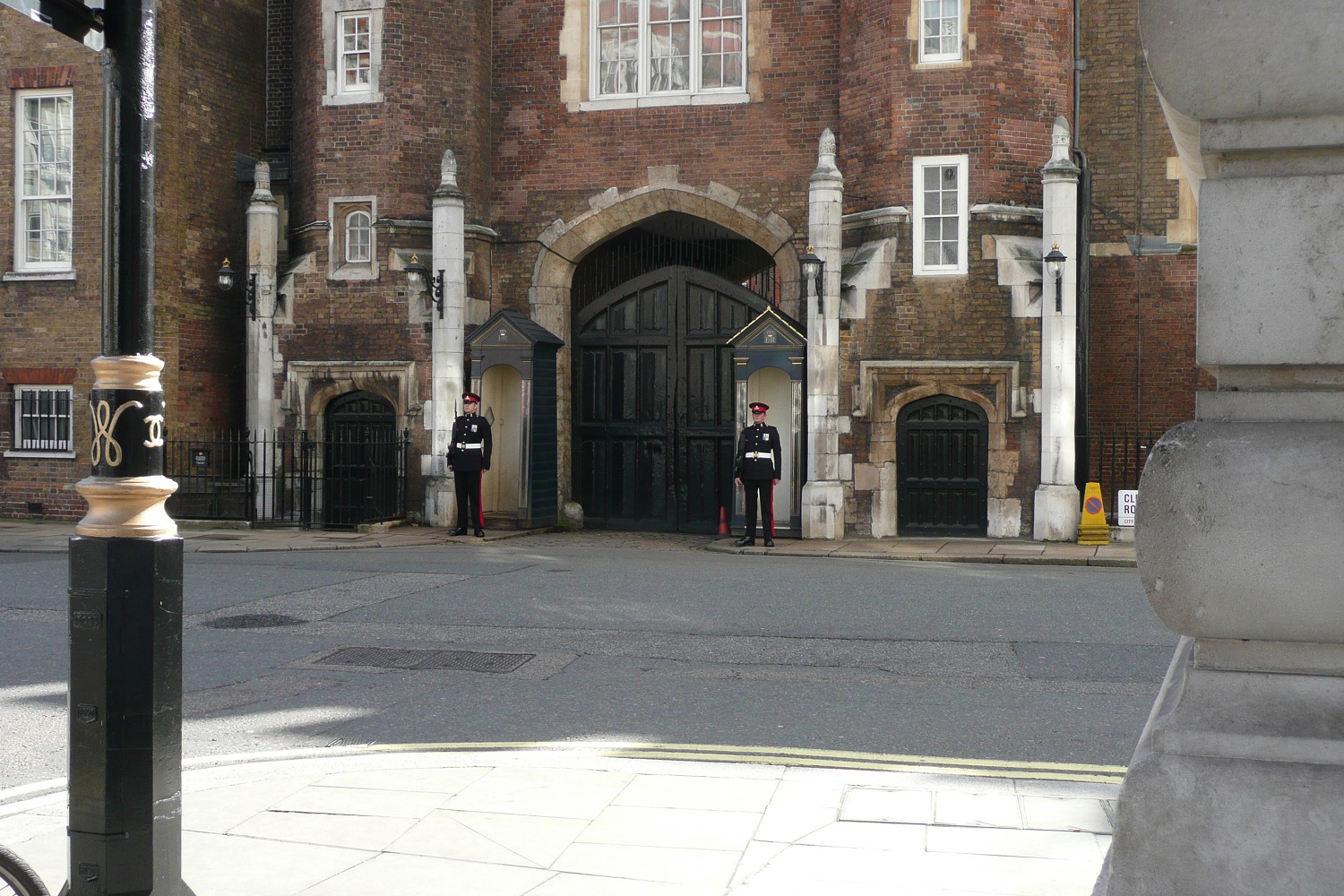
 The Mall and Clarence House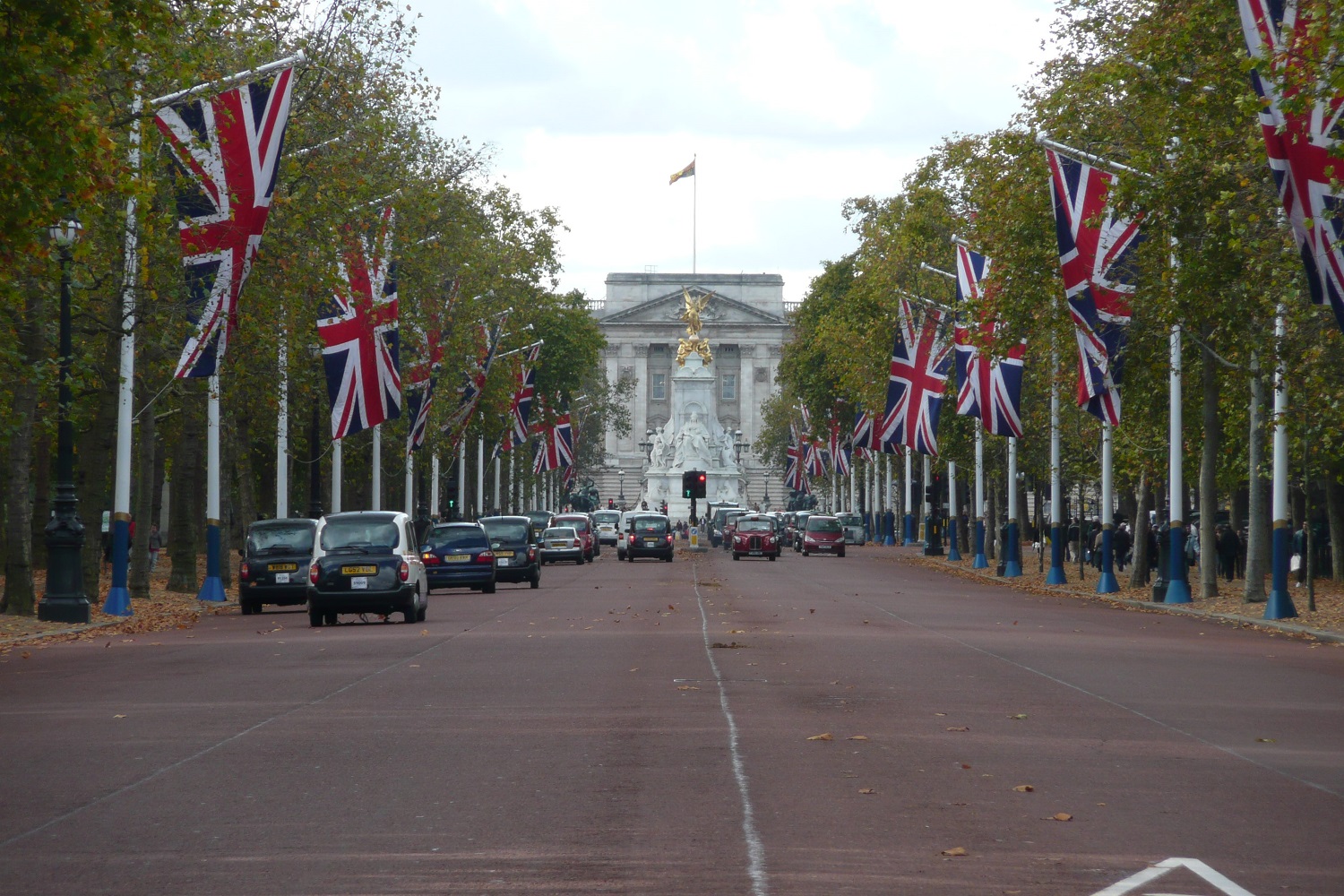
 Buckingham Palace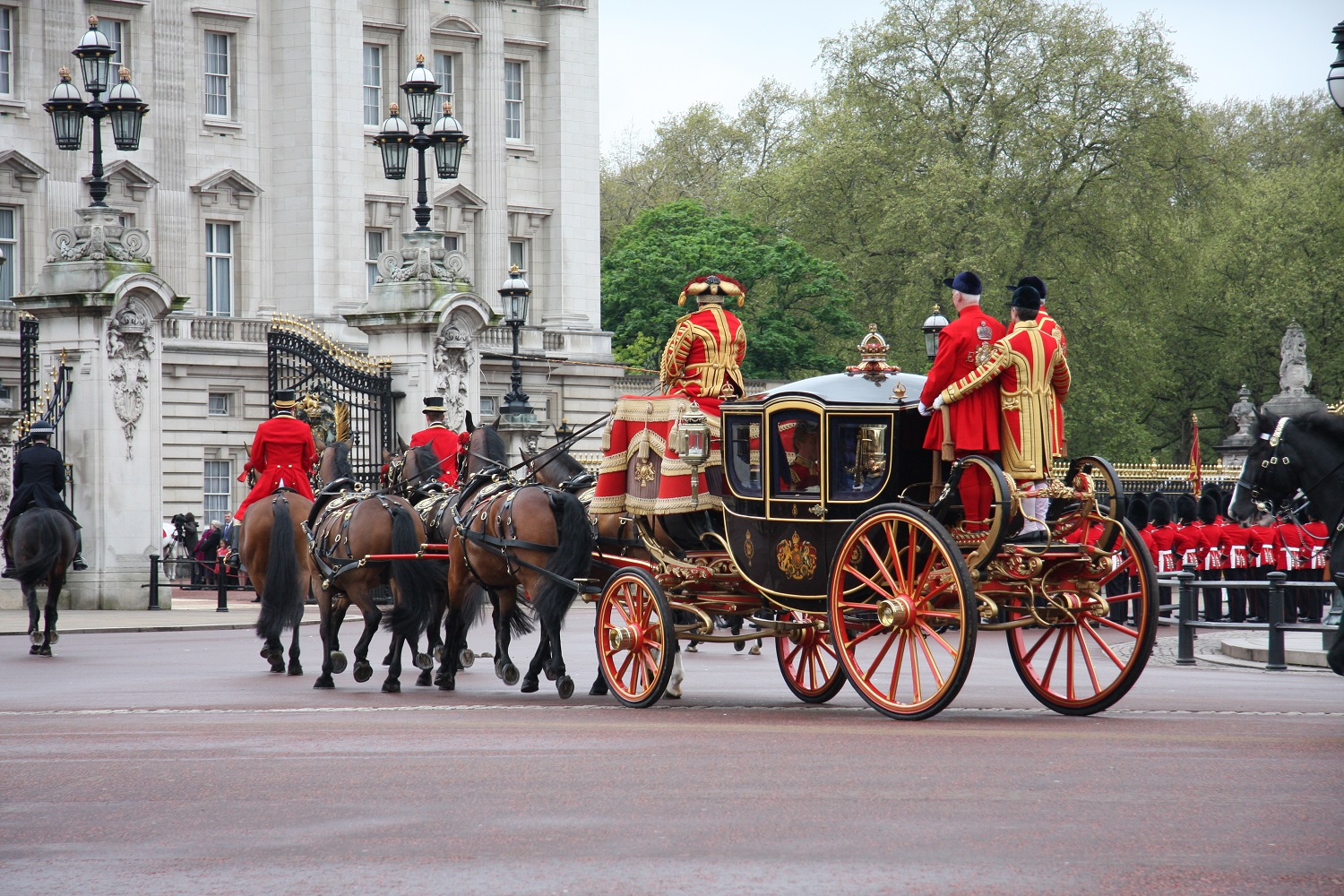
Royal Mews to
Westminster Abbey
 Royal Mews, Queen's Gallery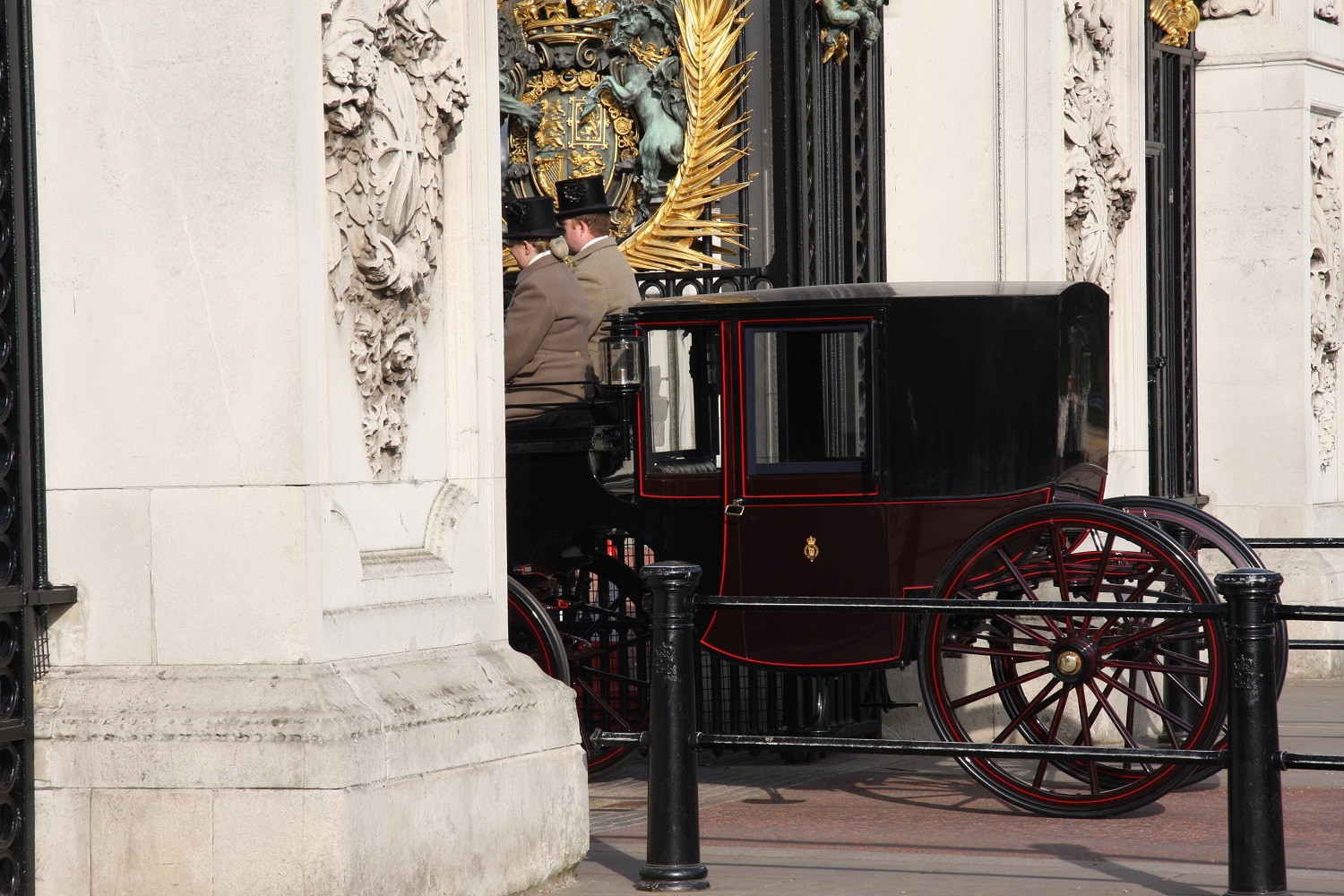
 Churchill War Rooms
 Westminster Abbey
Westmister Walk, London
Interactive
G
o
o
g
l
e
Map
Street Directions
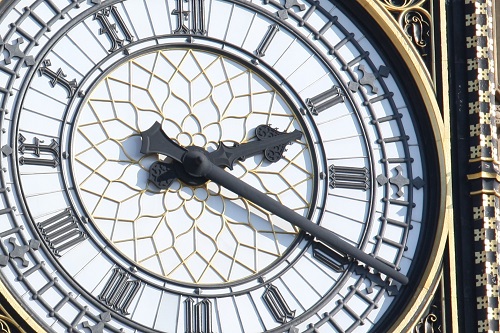
START Westminster: Circle or District Line.Come out of the station at EXIT 4. You will be opposite the Palace of Westminster looking at the largest four-faced clock tower in the world. Big Ben, is not the Clock Tower, but is the largest bell inside the tower that strikes the hour.
Big Ben to
Horse Guards
Turn right on to BRIDGE STREET SW1 towards Parliament Square. Go straight across the busy road and turn right (before the red telephone box) into PARLIAMENT STREET SW1.
Walk up the left-hand side of Parliament Street past Her Majesty's Treasury, the Foreign and Colonial Office and Cenotaph which stands in the middle of the road. You are now in WHITEHALL SW1. Continue up Whitehall past DOWNING STREET SW1, the London home of the Prime Minister, to Horse Guards.
Walk through the arch on the left to view Horse Guards Parade and the Old Admiralty Offices. Walk back through the arch and back onto Whitehall.
Walk up the left-hand side of Parliament Street past Her Majesty's Treasury, the Foreign and Colonial Office and Cenotaph which stands in the middle of the road. You are now in WHITEHALL SW1. Continue up Whitehall past DOWNING STREET SW1, the London home of the Prime Minister, to Horse Guards.
Walk through the arch on the left to view Horse Guards Parade and the Old Admiralty Offices. Walk back through the arch and back onto Whitehall.
Horse Guards to
The Mall
Continue up Whitehall, passing the entrance to THE MALL SW1 and Admiralty Arch straight into Trafalgar Square. Nelson's Column is guarded by 4 bronze lions, the fountains send jets of water 24m into the air.
Walk to the top of the TRAFALGAR SQUARE to The National and Portrait Galleries. Turn left and walk past the National Gallery then the Sainsbury Gallery Wing into PALL MALL EAST SW1. Continue straight on crossing HAYMARKET SW1 into PALL MALL SW1. Cross Pall Mall and turn left into WATERLOO PLACE SW1.
Walk to the end of Waterloo Place, to the Duke of York Column. Cross CARLETON HOUSE TERRACE SW1 and walk down The Duke of York Steps. At the bottom turn right onto THE MALL SW1.
Walk to the top of the TRAFALGAR SQUARE to The National and Portrait Galleries. Turn left and walk past the National Gallery then the Sainsbury Gallery Wing into PALL MALL EAST SW1. Continue straight on crossing HAYMARKET SW1 into PALL MALL SW1. Cross Pall Mall and turn left into WATERLOO PLACE SW1.
Walk to the end of Waterloo Place, to the Duke of York Column. Cross CARLETON HOUSE TERRACE SW1 and walk down The Duke of York Steps. At the bottom turn right onto THE MALL SW1.
The Mall to
St James's Park
Walk up THE MALL SW1 and take the first road on your right, MARLBOROUGH ROAD SW1, to view St. James's Palace. Turn round and walk back down Marlborough Road and then turn right back onto The Mall.
Continue up The Mall past Clarence House, the official London residence of The Prince of Wales and The Duchess of Cornwall, to Buckingham Palace.
Walk up to Buckingham Palace past the Queen Victoria Memorial. Walk to the left of the palace into BUCKINGHAM GATE SW1. Follow the road round past the Queens Gallery and shop in to THE ROYAL MEWS SW1. Re-trace your steps back along Buckingham Gate and cross the road into BIRDCAGE WALK SW1.
From Birdcage Walk take the 1st footpath on the left into St James's Park. Follow the Diana, Princess of Wales memorial footpath down the right-hand side of the lake, to the Blue Bridge.
Continue up The Mall past Clarence House, the official London residence of The Prince of Wales and The Duchess of Cornwall, to Buckingham Palace.
Walk up to Buckingham Palace past the Queen Victoria Memorial. Walk to the left of the palace into BUCKINGHAM GATE SW1. Follow the road round past the Queens Gallery and shop in to THE ROYAL MEWS SW1. Re-trace your steps back along Buckingham Gate and cross the road into BIRDCAGE WALK SW1.
From Birdcage Walk take the 1st footpath on the left into St James's Park. Follow the Diana, Princess of Wales memorial footpath down the right-hand side of the lake, to the Blue Bridge.
St James's Park to
Westminster Abbey
Cross the Blue Bridge over the lake, turn right and continue down the left-hand side of the lake. Continue straight on past the end of the lake and out of the park into HORSE GUARDS ROAD SW1. You will be at the rear of Horse Guards looking at the parade ground.
Turn right down Horse Guards Road to CLIVE STEPS and the Churchill Museum and Cabinet War Rooms. Continue down Horse Guards Road, at the end go straight cross BIRDCAGE WALK SW1 into STOREY'S GATE SW1.
At the end of Storey's Gate, turn left into THE SANCTUARY SW1 and Westminster Abbey. Walk round the Abbey then up to PARLIAMENT SQUARE SW1 and into GREAT GEORGE ST SW1. Walk back up to the Houses of Parliament and Big Ben.
FINISH: Westminster: Circle or District Line.
Turn right down Horse Guards Road to CLIVE STEPS and the Churchill Museum and Cabinet War Rooms. Continue down Horse Guards Road, at the end go straight cross BIRDCAGE WALK SW1 into STOREY'S GATE SW1.
At the end of Storey's Gate, turn left into THE SANCTUARY SW1 and Westminster Abbey. Walk round the Abbey then up to PARLIAMENT SQUARE SW1 and into GREAT GEORGE ST SW1. Walk back up to the Houses of Parliament and Big Ben.
FINISH:
Westminster: Circle or District Line.